
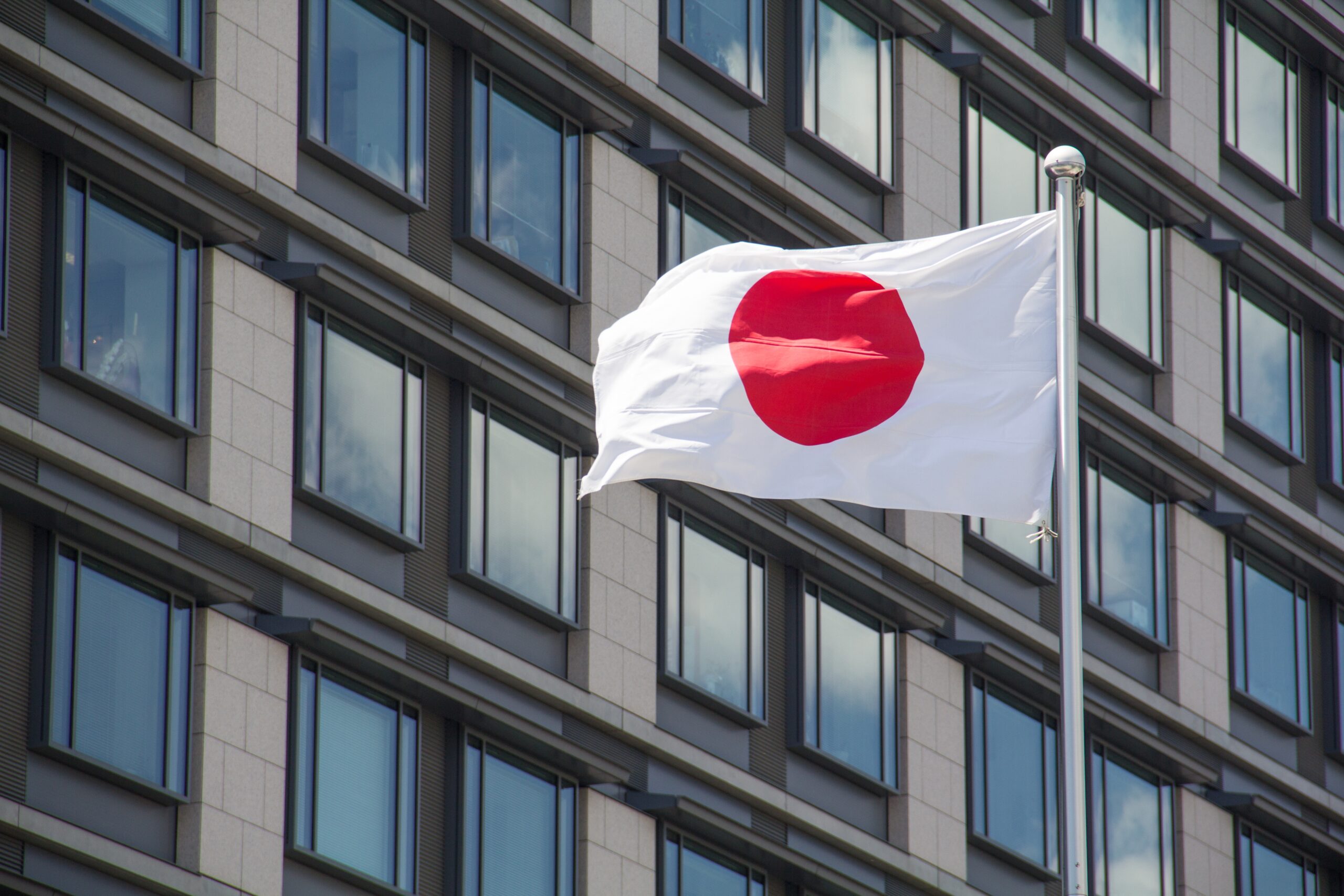
Singapore Remains a Preferred Destination for Japanese Investment
Singapore has long been recognised as one of Asia’s leading business hubs, attracting multinational corporations and small to medium-sized enterprises from around the world. Among the largest foreign investors are Japanese companies, many of which establish subsidiaries in Singapore to oversee regional operations, facilitate international trade, and expand into Southeast Asian markets. The country’s political stability, transparent legal system, and highly developed financial infrastructure make it an ideal location for long-term business growth. As these businesses operate within Singapore, partnering with an experienced SME audit firm becomes an important step in ensuring regulatory compliance and financial transparency.
Growing Business Operations Require Strong Financial Governance
As Japanese subsidiaries expand their operations, financial management becomes increasingly complex. Businesses may hire more employees, enter into additional contracts, establish new partnerships, or manage cross-border transactions with their parent companies. Each of these activities generates financial information that must be properly recorded and reported. Without effective governance, companies may encounter operational inefficiencies or reporting challenges. Working with a professional SME audit firm helps establish a structured financial environment that supports sustainable growth while meeting statutory obligations.
Understanding That Singapore Has Its Own Regulatory Requirements
Many Japanese corporations already operate under rigorous internal policies and reporting standards established by their headquarters. However, subsidiaries incorporated in Singapore are also subject to local laws and financial reporting requirements. These regulations may differ from those followed in Japan, making local expertise extremely valuable. A knowledgeable SME audit firm understands Singapore’s regulatory landscape and helps businesses comply with applicable standards while maintaining consistency with group reporting objectives.
Local Compliance Supports International Business Confidence
Compliance should never be viewed merely as a legal obligation. Instead, it demonstrates professionalism and strengthens confidence among investors, financial institutions, customers, and business partners. Accurate financial reporting allows stakeholders to evaluate a company’s performance and governance practices objectively. Japanese subsidiaries that maintain high standards of compliance often enjoy stronger reputations within the marketplace. An experienced SME audit firm plays a key role in supporting this credibility by providing independent assurance over financial information.
Effective Communication Between Headquarters and Local Management
One challenge frequently faced by multinational businesses is maintaining smooth communication between headquarters and overseas subsidiaries. Senior management in Japan may require financial information in specific formats or within strict reporting deadlines, while local teams must simultaneously satisfy Singapore’s statutory requirements. Without proper coordination, misunderstandings or delays can occur. Collaborating closely with an SME audit firm helps create a structured communication process that ensures financial information is both accurate and timely.
Financial Records Should Be Organised Throughout the Entire Year
Many organisations mistakenly believe that audit preparation begins only a few weeks before year-end. In reality, maintaining organised financial records throughout the year significantly improves efficiency when the audit period arrives. Sales invoices, supplier contracts, payroll records, bank reconciliations, and supporting schedules should all be properly maintained and easily accessible. When documentation is organised from the beginning, an SME audit firm can complete its procedures more efficiently while minimising disruption to the company’s daily operations.
Strong Internal Controls Reduce Business Risks
Internal controls are essential components of effective corporate governance. They help ensure that financial transactions are authorised appropriately, assets are protected, and accounting records remain reliable. Examples include segregation of duties, approval workflows, periodic reconciliations, and inventory verification procedures. Japanese businesses are often recognised for disciplined operational management, making them well positioned to implement strong control systems. A trusted SME audit firm can assess these controls and recommend practical improvements that further strengthen financial integrity.
Preparing Supporting Documents Before the Audit Begins
One of the most common causes of audit delays is incomplete or missing documentation. Finance teams often spend valuable time locating contracts, confirming balances, or reconstructing schedules after the audit has already started. A proactive approach involves preparing essential documents well in advance, including bank confirmations, fixed asset registers, lease agreements, inventory reports, tax schedules, and supporting calculations. Early preparation enables the SME audit firm to perform its review more efficiently while allowing management to focus on normal business activities.
Managing Cross-Border Transactions With Greater Attention
Japanese subsidiaries frequently engage in transactions involving their parent companies or affiliated entities. These may include management service fees, technical support agreements, royalty payments, procurement arrangements, or shared operational costs. Because such transactions often involve multiple jurisdictions, they require careful documentation and consistent accounting treatment. Clear agreements and comprehensive supporting evidence help demonstrate the commercial nature of these transactions. An experienced SME audit firm can assist businesses in reviewing documentation and ensuring that financial records accurately reflect these activities.
Technology Can Improve Audit Readiness
Digital transformation has significantly changed the way businesses manage financial information. Cloud-based accounting systems, electronic approval workflows, and digital document storage allow companies to organise information more effectively than traditional paper-based systems. These technologies improve accessibility, reduce administrative burdens, and minimise the risk of missing records. When financial information is properly maintained within reliable systems, an SME audit firm can conduct its procedures more efficiently, ultimately saving valuable time for both auditors and management.
Looking Beyond Compliance Toward Sustainable Growth
Successful Japanese subsidiaries understand that financial reporting is not simply about satisfying regulatory requirements. Reliable financial information provides management with valuable insights for budgeting, investment planning, operational improvements, and long-term strategic decision-making. Rather than viewing an audit as an annual obligation, businesses should see it as an opportunity to strengthen governance and improve financial management. By establishing a collaborative relationship with a professional SME audit firm, Japanese companies operating in Singapore position themselves for greater transparency, stronger stakeholder confidence, and sustainable future growth.
Aligning Reporting Timelines Between Singapore and Japan
Many Japanese parent companies operate under strict internal reporting schedules to facilitate group consolidation and management decision-making. At the same time, Singapore subsidiaries must comply with local statutory filing deadlines and financial reporting requirements. If these timelines are not coordinated properly, finance teams may experience unnecessary pressure and last-minute adjustments. Planning ahead and maintaining open communication with an SME audit firm allows businesses to align both local and headquarters reporting schedules, reducing stress while improving the accuracy of financial information.
Building a Culture of Continuous Financial Improvement
Successful businesses understand that financial management should be a continuous process rather than a year-end exercise. Instead of focusing solely on preparing for audits when deadlines approach, companies should regularly review their accounting processes, reconcile accounts, and monitor internal controls throughout the year. This proactive approach creates a stronger financial foundation and reduces the likelihood of unexpected issues during an audit. An experienced SME audit firm can provide valuable observations that help management improve processes and strengthen financial discipline over time.
The Importance of Transparency in Business Relationships
Transparency has become an increasingly important factor in today’s global business environment. Investors, lenders, suppliers, and customers all value organisations that maintain accurate and reliable financial information. For Japanese subsidiaries operating in Singapore, demonstrating transparency reinforces trust and enhances corporate reputation. Independent financial reviews performed by an SME audit firm provide additional assurance that financial statements fairly reflect the company’s operations, giving stakeholders greater confidence in the business.
Managing Business Growth Without Losing Financial Control
As companies expand, their operations naturally become more complex. New employees, additional customers, multiple suppliers, and cross-border transactions all increase the volume of financial data that must be managed effectively. Without proper systems and oversight, businesses may encounter inefficiencies or inconsistencies in financial reporting. Working with an SME audit firm helps management maintain control over financial processes while supporting continued expansion into new markets and business opportunities.
Preparing Management for Audit Discussions
An audit is not solely the responsibility of the finance department. Senior management also plays an important role in explaining business strategies, significant transactions, operational changes, and future plans. When management understands the purpose of audit procedures and prepares for discussions with auditors, the entire engagement becomes more efficient. Japanese subsidiaries should encourage collaboration between leadership and their SME audit firm, creating an environment where information is shared openly and questions are addressed promptly.
Understanding That Audits Provide Valuable Business Insights
Many business owners associate audits only with compliance requirements, but the process often generates useful insights that extend beyond statutory obligations. During an audit, financial trends, internal control weaknesses, and operational inefficiencies may become more visible. Identifying these issues early enables management to implement improvements before they become larger problems. A professional SME audit firm therefore serves not only as an independent reviewer but also as a valuable contributor to stronger financial governance and better business decision-making.
Selecting an SME Audit Firm That Understands International Businesses
Choosing the right audit partner requires careful consideration. Japanese subsidiaries should look beyond pricing alone and evaluate an audit firm’s experience, communication skills, industry knowledge, and familiarity with multinational business operations. Firms that regularly serve international clients often understand the challenges of balancing local compliance with headquarters reporting expectations. Establishing a relationship with a capable SME audit firm provides businesses with ongoing professional support that extends well beyond the annual audit cycle.
Developing a Long-Term Professional Partnership
The most productive audit relationships are built over time rather than treated as one-time engagements. When auditors gain a deeper understanding of a company’s business model, operational structure, and strategic objectives, they can conduct audits more efficiently and provide increasingly relevant recommendations. Likewise, management becomes more familiar with reporting expectations and documentation requirements, resulting in smoother audit processes each year. Building a long-term partnership with an SME audit firm creates continuity, consistency, and greater operational confidence.
Supporting Regional Expansion Through Strong Financial Practices
Many Japanese subsidiaries use Singapore as a regional headquarters for expansion into neighbouring Southeast Asian markets. As operations grow across multiple jurisdictions, financial reporting and governance become even more important. Well-maintained accounting records and effective internal controls provide management with reliable information for strategic planning and investment decisions. By collaborating with an experienced SME audit firm, businesses establish financial systems that support regional growth while maintaining high standards of accountability and compliance.
Conclusion: A Strategic Partnership for Sustainable Success
Japanese companies have made significant contributions to Singapore’s economy through investment, innovation, and long-term business development. To sustain this success, subsidiaries must maintain strong financial governance and comply with local regulatory requirements while meeting the expectations of their headquarters. Partnering with a professional SME audit firm enables businesses to strengthen internal controls, improve financial reporting, and enhance transparency across their operations. Rather than viewing audits simply as a statutory obligation, Japanese subsidiaries should recognise them as an opportunity to build stronger governance, increase stakeholder confidence, and support sustainable growth in Singapore’s competitive business environment. A trusted SME audit firm is therefore not just a service provider but a strategic partner that contributes to the long-term success of the organisation.